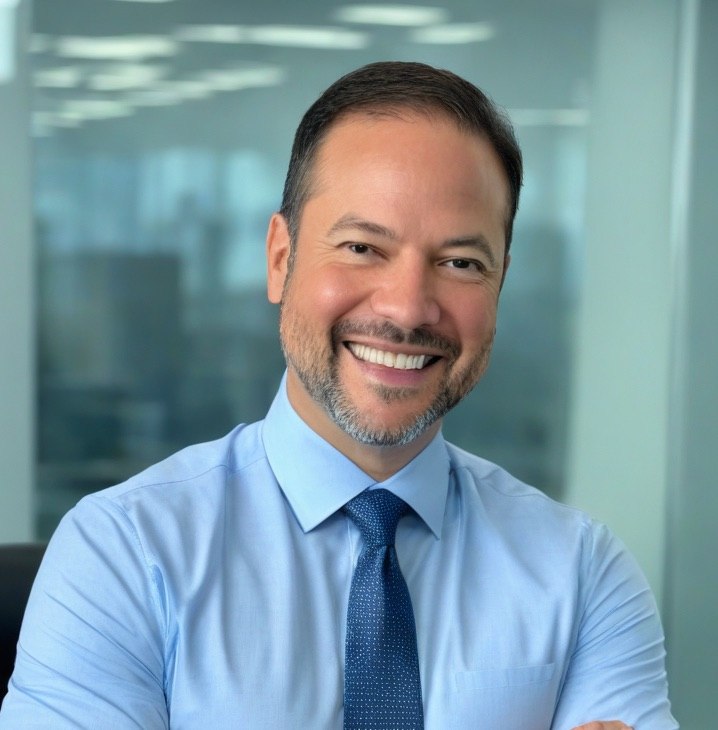
I started where you started.
Culinary school. A kitchen. That was the plan — and for a while, it was everything. I loved the work, the pace, the craft of it. I understood what it took to run a service and what it cost when something went wrong.
But working nights, weekends, and holidays has a price. I had a daughter. I wanted to be present for her in a way the kitchen wouldn't allow. So I made a choice.
I left the kitchen — not the business. I just needed a different seat at the table.
A different seat at the same table.
I moved into operations management — then finance, then systems. Each role gave me a new layer of understanding. From managing teams of 45 on the floor to building forecasting models and labor planning tools. From running buffets and table service to analyzing cost of sales and financial reconciliation.
I wasn't leaving food service. I was learning how it actually worked from the inside. Every angle, every function, every place where money gets made or quietly lost.
Most people in restaurant technology came from technology. I came from restaurants. That's a different starting point — and it produces different solutions.
Years inside the machine.
I spent over a decade building and sustaining the operational infrastructure that keeps large-scale food service running — recipe management, purchasing systems, point of sale, food waste reduction, nutrition and allergen platforms. Hundreds of locations. Teams across the country. Projects with real budgets and real consequences if they failed.
I saw how much money operators lose when the data isn't right. I saw purchasing decisions get made on assumptions instead of facts. I saw tools fail not because they were bad technology, but because nobody built them around how people actually worked.
I also saw what happened when you got it right. Cost avoidance in the hundreds of thousands. Error rates that dropped to near zero. Teams that finally trusted the numbers they were looking at.
When AI changed what was possible.
For most of my career, building real software required a development team, a budget, and months of time. I could describe the tool. I could evaluate it once built. I just couldn't build it myself. Most operators are in that same position.
In November 2025, something shifted. I was on a cruise — the kind of trip where your brain finally has space to think — and I started asking an AI tool a different kind of question. Not just for information. For construction. Within four months, I had built three working software products across three different technology stacks. No coding background. No technical team. Just a methodology that had been developing in me for thirty years without a name.
The instinct was always the same: start with the problem, not the tool. Specify what done looks like before anything gets built. Verify the output against the standard. That's the system. It's why the things I build keep running long after the project closes — and it's what I now bring to operators who never had access to this kind of thinking before.
Back to where I started — this time to help.
I wrote a book about the eighteen months it took to go from operations leader to someone who could actually build software. Not a how-to guide. A real account of what it looks like when someone who has spent decades solving operational problems finally gets the tools to build.
Now I bring that to independent operators. Food truck owners. Single-location restaurants. The people who have a real dream and deserve the same caliber of operational thinking that big chains spend millions to access.
I know what it costs when something doesn't work. I know what it feels like to be in your kitchen wondering if there's a better way. There usually is. And I can help you find it.